November 28, 2026
What to check before booking a desert buggy experience
By @getbuggytourdubaiedge
Booking a desert buggy experience is easy to do in a few minutes, but the small details matter. The right choice depends on your comfort with rough terrain, the time of day you want to ride, the route, and the rules that apply before anyone gets behind the wheel. A little careful reading before you pay can prevent a mismatched booking, a missed pickup, or a day that feels rushed.
Start with the basics: who can drive, who can ride as a passenger, and what documents are needed. Age limits, licence requirements, height or health restrictions, and passenger rules can vary by operator and vehicle type. If one person in the group is unsure about driving, check whether a passenger-only option exists. A desert ride is not the same as a short city drive, so it helps to be honest about confidence and experience rather than choosing the biggest vehicle by default.
Vehicle type and driving style
Not every off-road vehicle feels the same. Some are built for speed over open dunes, while others are better suited to steadier routes with more time for photos and short stops. A quad bike usually feels more exposed and requires more balance, while a buggy has a seat, roll structure, and a different steering feel. Neither option is automatically better. The best fit is the one that matches the rider, the route, and the level of guidance provided.
Check what is included in the driving experience. Is there a short practice area before the route begins? Is the pace set by a lead vehicle, or are guests expected to follow in a loose group? Are there designated stops, or is the focus on continuous driving? These details shape the day far more than the vehicle name alone. If the listing mentions dune bashing, look for clarity on whether that is part of the same ride or a separate activity, because the two can feel quite different.
Safety briefing and supervision
A clear safety briefing should be part of the experience, not an afterthought. Before booking, check whether the operator explains controls, hand signals, riding distance, what to do if a vehicle slows or stops, and how to behave around other vehicles. The briefing should also cover what happens if someone wants to stop riding partway through.
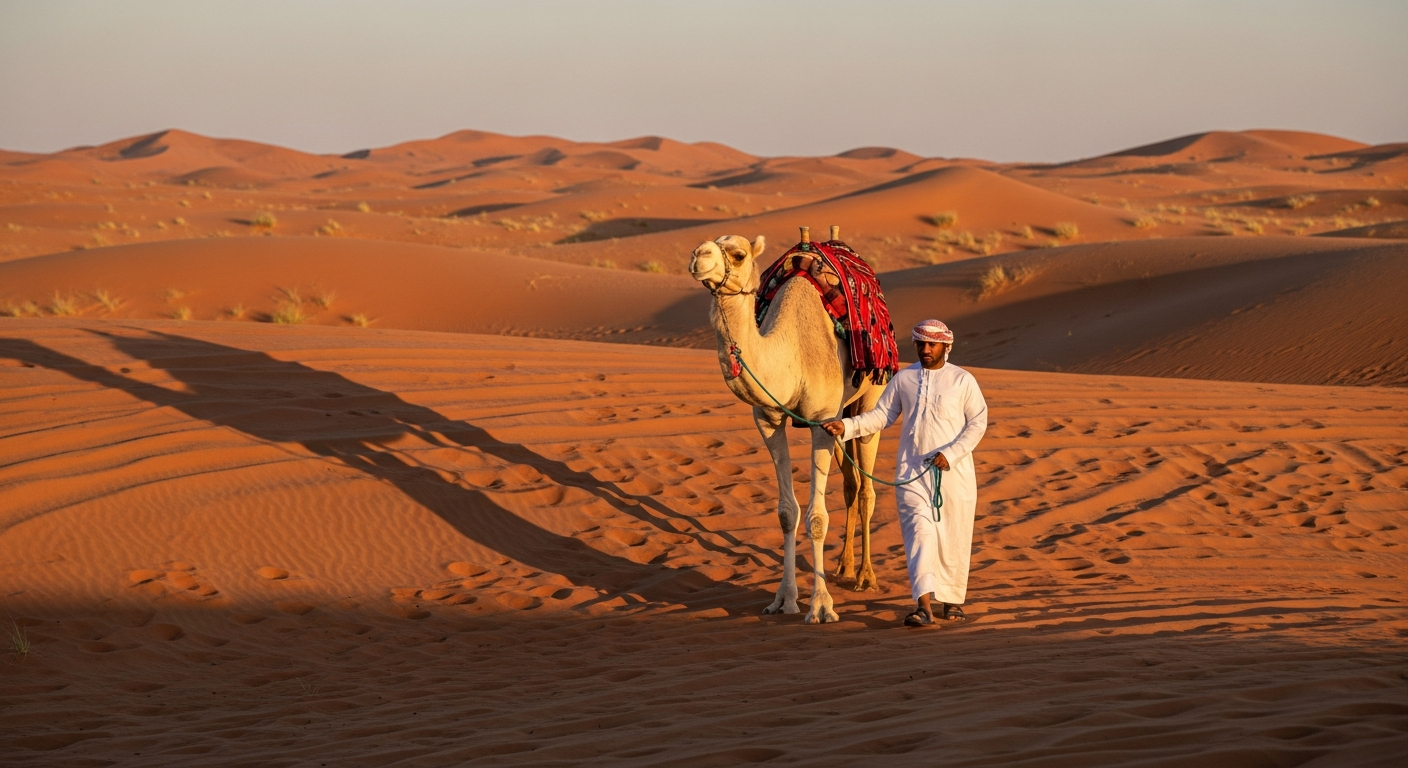
Supervision matters just as much. A route with a lead driver and support vehicle is different from a loose self-drive format. Ask how guides communicate with riders and what support is available if a vehicle develops a problem. Mechanical issues can happen with any off-road vehicle, and they should be handled by trained staff, not by guests attempting repairs in the desert. Any work involving brakes, fuel systems, or electrical faults belongs with a qualified professional.
Protective gear is another practical point. Helmets, gloves, goggles, and closed footwear can make a real difference in comfort and control. Check what is provided and what guests should bring. If the listing is vague, assume that personal comfort items such as sunglasses, sunscreen, and water will be useful, especially in warm months.
Route, timing, and what the day includes
The route is the heart of the trip, yet it is often described in vague terms. Look for a clear indication of where the ride starts, how long the driving portion lasts, and whether the wider desert safari includes stops for photography, sandboarding, or a sunset tour. A longer total duration does not always mean more driving. Transfers, briefing time, photo stops, and meal breaks can take up a large part of the schedule.
Time of day changes the experience. Morning rides tend to feel calmer, with cooler air and softer light. Afternoon and evening bookings may pair driving with a sunset tour or dinner plans, but they can also involve waiting in heat before the light drops. If the main goal is driving, choose a package that gives the ride enough space in the schedule. If the main goal is a full desert outing, extra activities may be welcome.
When comparing a buggy tour dubai listing with other desert activities, pay attention to the order of events. Pickup service, arrival at the desert camp or starting point, paperwork, safety briefing, driving, and return travel all need to fit together. A well organised plan should be easy to follow before the booking is confirmed.
Pickup, meeting point, and group size
Logistics can turn a good plan into a stressful one. Check whether pickup service is included, where the pickup point is, and how much flexibility exists if the group is staying outside the usual pickup area. If self-drive is required, confirm that the meeting point is clear and that there is enough time to arrive without rushing.

Group size also affects the feel of the ride. A smaller group may allow more attention from guides and smoother communication. A larger group can still work well if it is organised, but it may mean more waiting between sections and less room to move at a relaxed pace. Think about whether the booking is private or shared, and whether that choice matches the occasion.
Here are the practical points worth confirming before payment:
- Driver and passenger rules, including age, licence, and health restrictions.
- What vehicle is used, how long the driving portion lasts, and what route style to expect.
- Whether helmets, goggles, gloves, water, and other basics are provided or brought by guests.
- How the safety briefing, guide support, and breakdown assistance are handled.
- Pickup service details, meeting point, group size, and the full order of the day.
Conditions, cancellations, and personal limits
Desert conditions change. Wind, sand, heat, and visibility can affect how comfortable or suitable a ride feels on a given day. Check what happens if conditions lead to a change in route or a delayed start. A flexible plan is useful, especially when travelling with children, older passengers, or people who are sensitive to heat and dust.
Cancellation and rescheduling terms deserve a careful read. Look beyond the headline promise and check the timing rules, what counts as a late change, and how a weather-related decision is handled. It is also wise to check how payment is taken, what confirmation is sent, and which details should be kept in writing. Clear terms protect both sides and reduce confusion on the day.
Physical limits should be part of the decision. Bumpy terrain, repeated turns, dust, and long periods in a seated position can be tiring. Anyone with back, neck, joint, or heart concerns should seek appropriate medical advice before booking an off-road ride. Pregnant guests and young children are often subject to restrictions, and those rules should be treated as firm rather than optional.
Reading the fine details without overcomplicating it
A good booking decision does not require technical knowledge of engines or desert driving. It requires clear answers to a few plain questions. Who is allowed to take part? What will the vehicle and route be like? How is safety handled? What happens before and after the drive? Which parts of the schedule are fixed, and which parts depend on conditions?
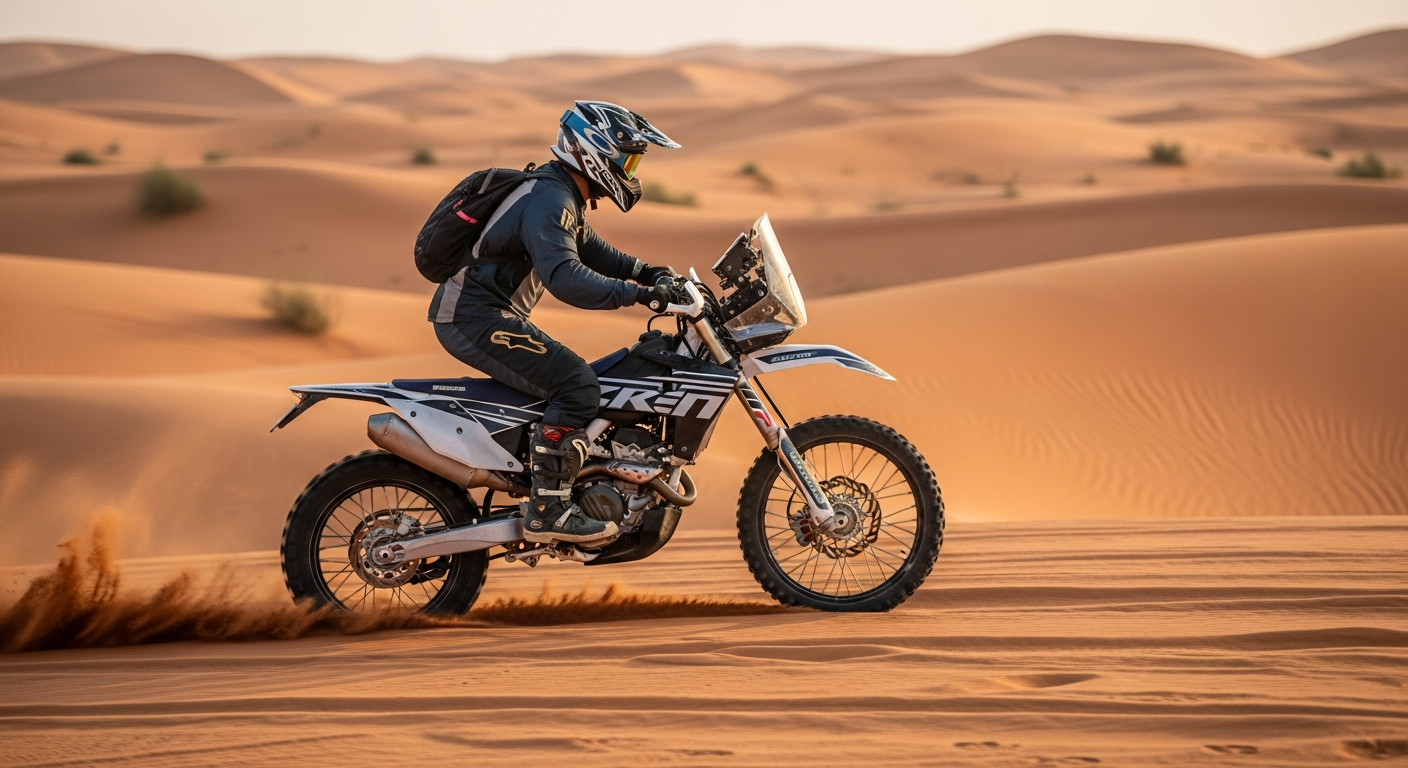
Those questions are useful because they reveal how well the experience has been planned. A listing that explains the driving portion, safety briefing, support, and timetable in plain language is easier to judge than one built around vague promises. The same applies to extras such as sandboarding, a desert camp meal, or a sunset tour. They can add value, but they should not hide the basic facts of the ride.
If the description leaves a key point open, ask before booking rather than guessing. Clarify the route length, the vehicle type, the level of supervision, and the pickup arrangements. Then compare the answer against the group's comfort, schedule, and expectations. A well matched ride feels straightforward from the first message to the final return journey, and that is usually the result of checking the right details early.
❧